
N.T. Wright’s new book, released today, Simply Good News: Why the Gospel Is News and What Makes It Good (HarperOne, $24.99) sets out to reorient and refocus the Christian faith by examining its central tenet: the gospel.
Book Reviews
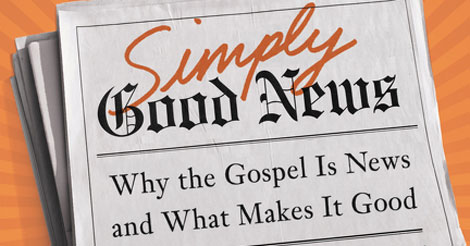
N.T. Wright’s new book, released today, Simply Good News: Why the Gospel Is News and What Makes It Good (HarperOne, $24.99) sets out to reorient and refocus the Christian faith by examining its central tenet: the gospel.


In her new collection of poetry, Copia, Erika Meitner writes about urban and suburban life, consumption and excess, desire and disappointment, and perhaps mostly about loss and hope. Read more …
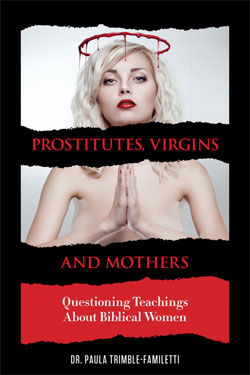

In Prostitutes, Virgins and Mothers: Questioning Teachings About Biblical Women, Dr. Paula Trimble-Familetti sets out to do nothing less than overturn six thousand years of patriarchy, misogyny, and marginalization of women within Judaism and Christianity. Read more …
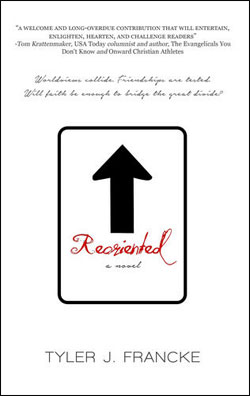

Tyler Francke’s new novel “Reoriented” tackles the most divisive issue facing modern Christianity: homosexuality. Through the fictional story of a gay student at a Christian college, Francke offers an engaging and thought-provoking exploration of “faith, scripture and sexual identity.”
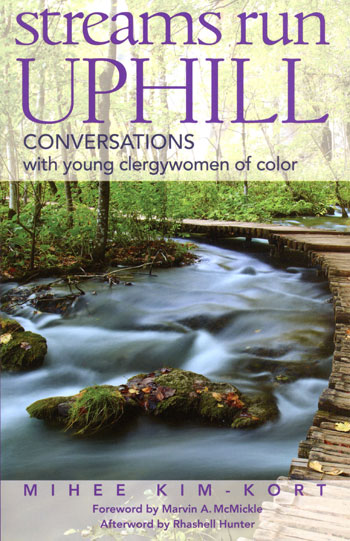

Several years ago, I attended a church discussion group on the topic of women in ministry. The pastor leading the group spent the first forty-five minutes forcefully laying out the “biblical” case for why women aren’t allowed to be pastors.
After his diatribe, I asked him, “if women can’t be pastors, does that mean God withholds gifts of preaching and teaching from them? Or does he bless them with such gifts and then denies them their full use?” He equivocated and rehashed his talking points.
To me, the answers are clear: God doesn’t withhold these gifts from women. There are many women who have been blessed with gifts of preaching and teaching and leadership and who have been called by God to use these gifts to their fullest potential serving the Church. Any church that refuses to acknowledge, accept and celebrate the blessings that God is offering through these women is refusing God himself. Sadly, this rejection and exclusion continues to stymie the Kingdom of God in many churches. (more…)
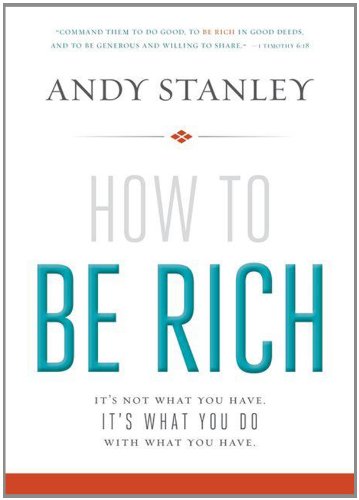
A few months ago, Andy Stanley tweeted about his new book “How To Be Rich,” and I replied with a snarky response:
@AndyStanley Jan 13
Just found out some of you haven’t purchased your copy yet. Join the movement. BeRich http://tinyurl.com/mrtmmo2@CoolingTwilight Jan 13
@AndyStanley I understand how me buying your book makes YOU rich. But how do I become rich? Oh wait, I have to buy the book to find that out
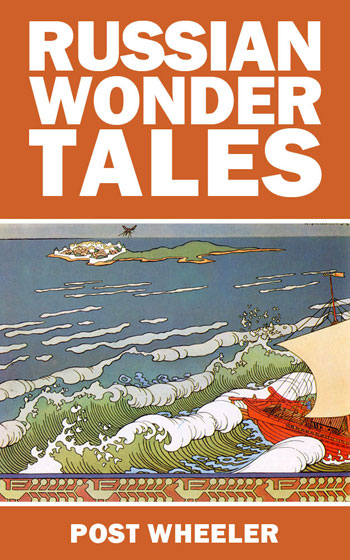

In 1912 Post Wheeler, an American diplomat stationed in St. Petersberg, collected and translated twelve Russian folktales along with their accompanying illustrations by Ivan Bilibin.
(more…)

Over on Patheos, I reviewed John Andrew Morrow’s “The Covenants of the Prophet Muhammad with the Christians of the World.” It’s an interesting book about the textual basis for a peaceful and inclusive form of Islam. My review generated a lengthy discussion in the comments section with someone who’s passionate in his anti-Islamic beliefs. This shouldn’t really come as a surprise, but I’m always dismayed by such stubborn and unrelenting vitriol toward any and all Muslims.

I also posted some thoughts encouraging us to Keep the X in Xmas in which I briefly delve into the manuscript tradition of abbreviating sacred names in the Bible. The Bible does it, so should we!


I don’t generally recommend books I haven’t read, but in this case I’m happy to make an exception. Randal Rauser’s writing is always thought-provoking, relevant and worthwhile — and given today’s special, it’s now eminently affordable!
Today only (Wednesday, October 30), the e‑version of Rauser’s book The Swedish Atheist, the Scuba Diver and Other Apologetic Rabbit Trails is available for free at Amazon.com, B&N and Christianbook.com.
And, if you miss today’s deal, the e‑book will be 50% off for the month of November.
(more…)
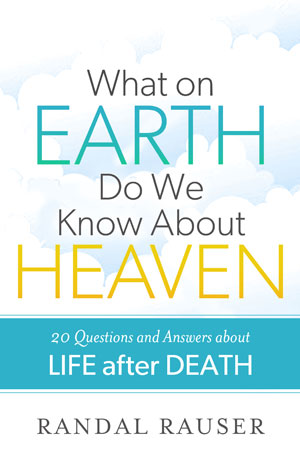

If you pick up Randal Rauser’s book “What on Earth Do We Know about Heaven?” expecting a scintillating first-hand account of Rauser’s near-death experience and his subsequent journey into the afterlife you’ll be greatly disappointed. Instead of serving up an epic tale of post-mortem exploits, Rauser, a prolific blogger and self-described “progressive evangelical,” offers thoughtful theological and philosophical responses to twenty questions about life after death — or more accurately about (to quote N.T. Wright) life after life after death.
(more…)