
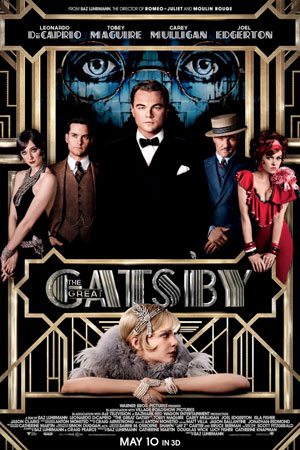
The old adage when it comes to art is “show, don’t tell.” The idea is that, by demonstrating rather than dictating, the audience is drawn in as participants instead of being kept at a distance by heavy-handed explication. But this advice can be taken too far: you can tell and show too much, forcing rather than leading, yelling rather than whispering. F. Scott Fitzgerald was a master of showing just enough, but not too much. His prose doesn’t have the austerity of Hemingway’s — by comparison he can be downright florid — but nevertheless, the economy of his lines often reveal more in what they don’t say than in what they do. The Great Gatsby is a short book — most editions run to a mere 160 or so pages — but it’s in between Fitzgerald’s lines that we find the elements of a transcendent tale of love and ambition and tragedy and hope. This why Gatsby is transcendent — not because of the story we have set down before us on the page, but because of the story that we create in our minds. The Great Gatsby moves beyond a simple tale of a lovelorn bootlegger and becomes our story, the American story.
(more…)









 My post