Tag: yec

  • Review: The Lost World of Genesis One by John Walton

    Review: The Lost World of Genesis One by John Walton

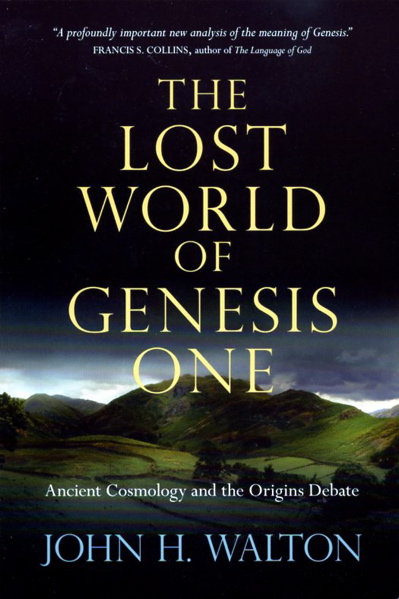
    Walton, John H. (2009). The Lost World of Genesis One: Ancient Cosmology and the Origins DebateDowners Grove: InterVarsity Press.

    Walton lays out his reading of Genesis 1 in a clear and accessible manner, arguing persuasively that Genesis 1 is a functional, rather than a material, account of creation that describes the inauguration of a cosmic temple. He also discusses how this reading impacts the creation vs. evolution debate, the ongoing conflict of faith vs. science, the intelligent design movement and public science education. Walton is acutely aware of the variety of Christian beliefs on these topics and discusses them with sensitivity. This book stands in stark contrast to the naïve Biblicism of Kurt Wise’s Faith, Form and Time; Walton’s exegesis is the antidote to Young Earth Creationist claims to a “literal” reading of Genesis. The Lost World of Genesis One should be required reading for every Christian.

  • Review: Faith, Form, and Time by Kurt Wise

    Review: Faith, Form, and Time by Kurt Wise

    Wise, Kurt P. (2002). Faith, Form, and Time: What the Bible Teaches and Science Confirms about Creation and the Age of the Universe. Nashville: Broadman & Holman Publishers.

    Kurt Wise lives in a binary world: either you’re a Bible-Believing Young Earth Creationist who accepts the Truth or else you’re an Evil Atheist Evolutionist who has no rational basis for any belief whatsoever. But reality, as expressed in the Bible and in nature, is considerably more complex than such a simplistic dichotomy. In Faith, Form, and TimeWise seeks to provide a comprehensive explanation of the Young Earth Creationist position, but in doing so he fails to acknowledge, let alone explore, other viable interpretations of the Genesis creation account such as the many varieties of concordist and framework views that are widely held by knowledgeable Christians. For Wise, such views don’t really matter because his presuppositions, grounded in fideistic faith, leave no room for exploring alternative ideas or for critically examining one’s own beliefs.  (more…)